Chapada Diamantina in the rainy season: is it worth it?
Fuller waterfalls and green landscapes, with extra attention to safety: what to expect from Chapada Diamantina in the rainy season.
Por Chapada Soul Team · · 2 min de leitura
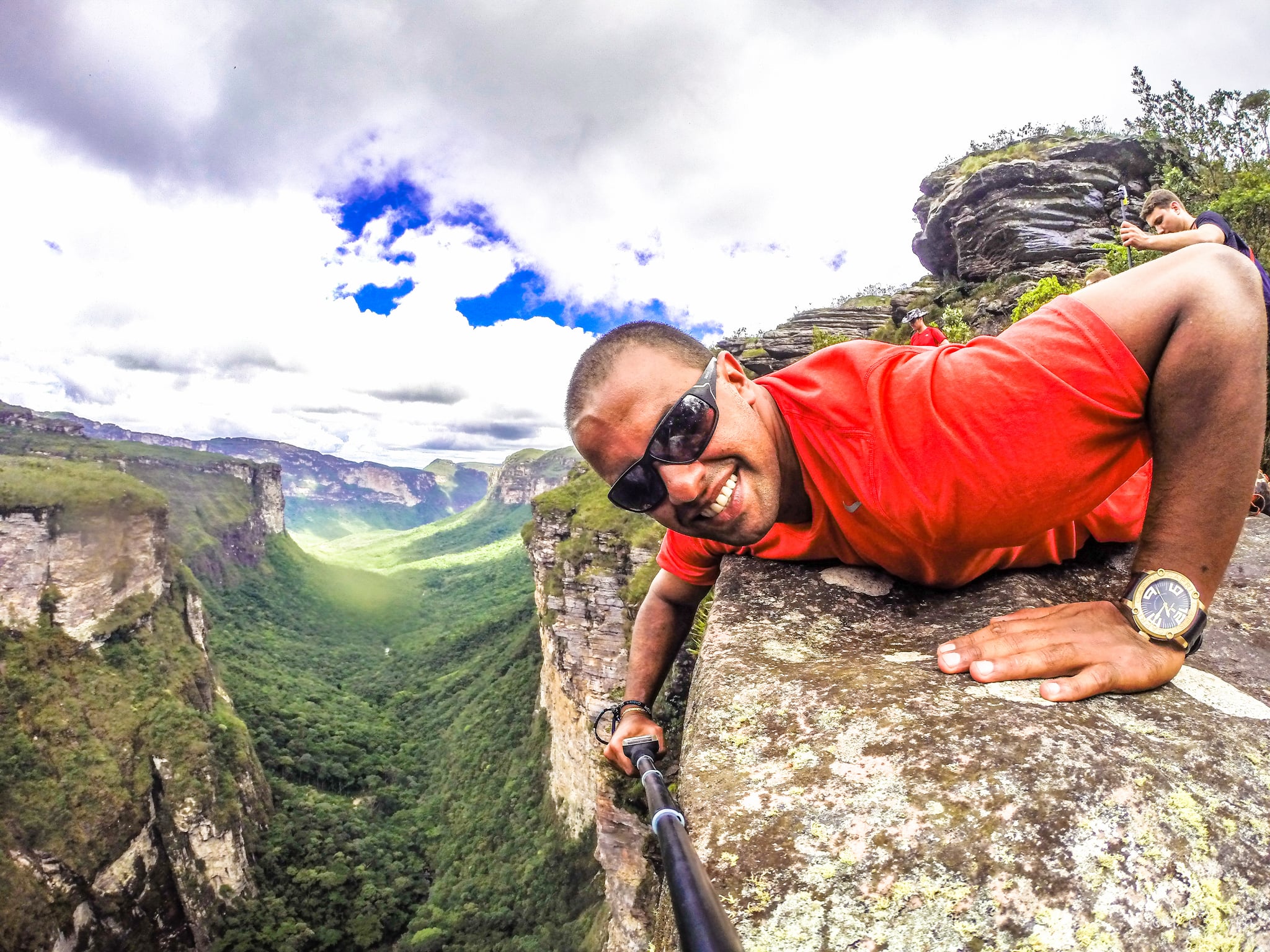
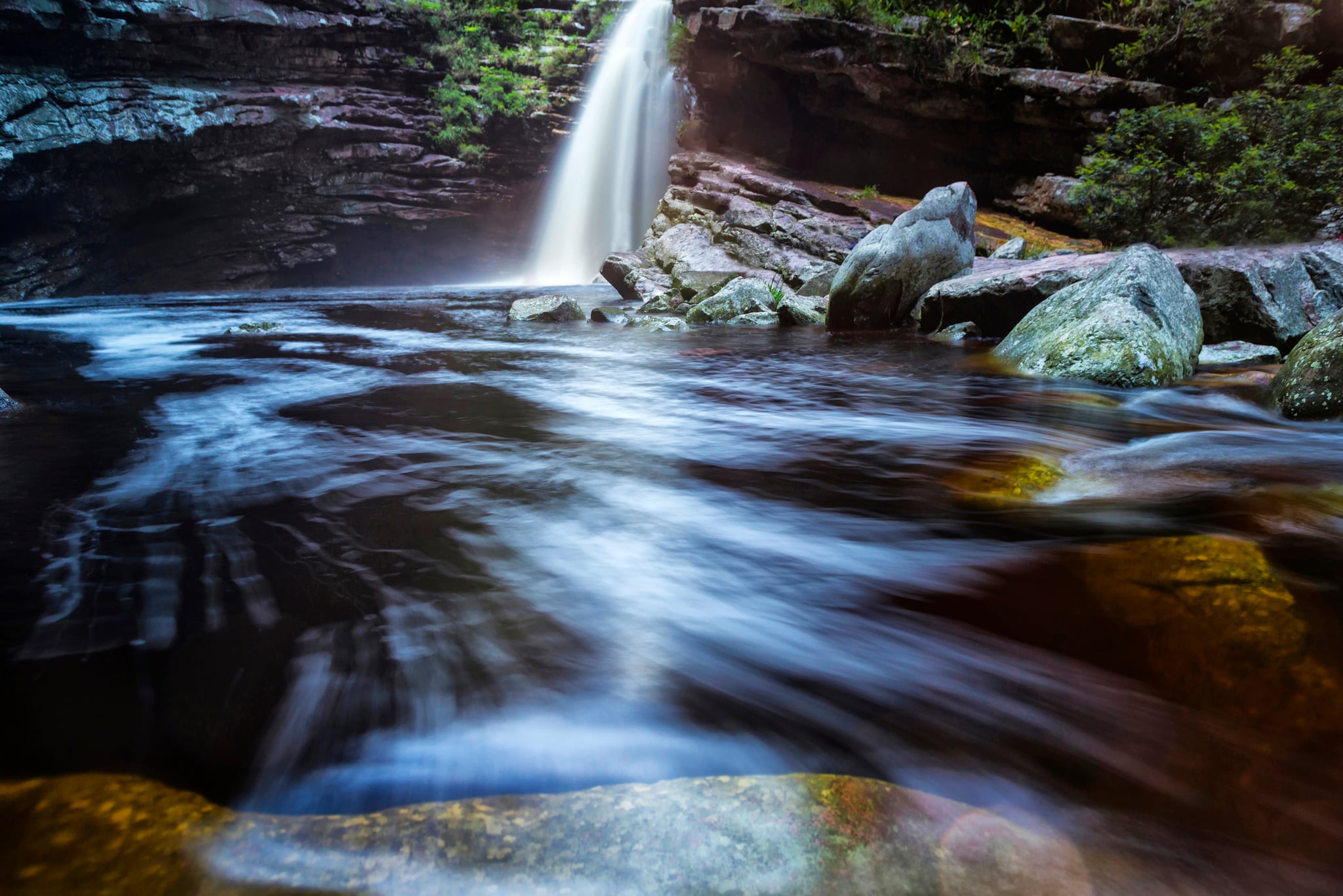
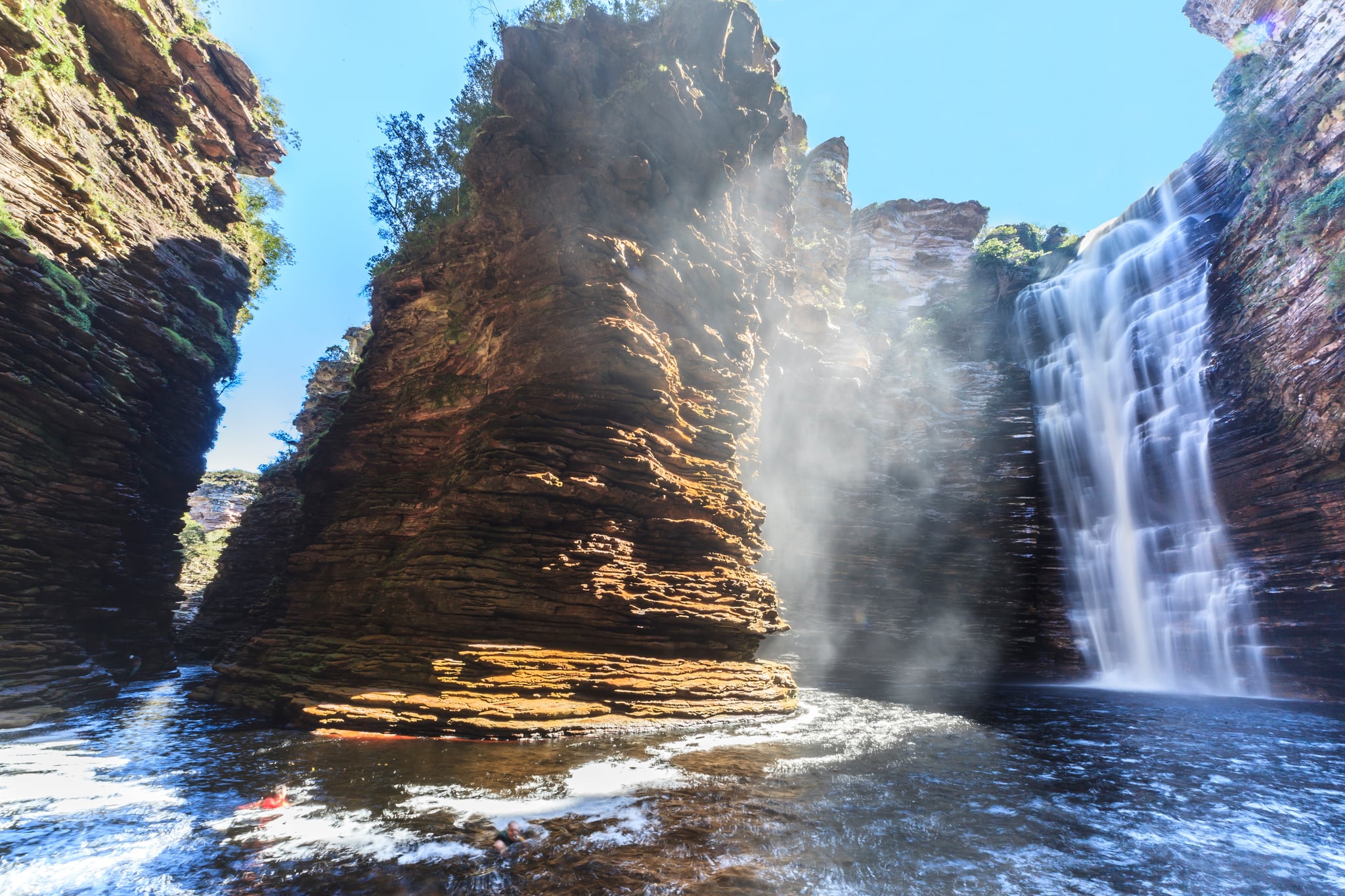
Visiting Chapada Diamantina in the rainy season has a beautiful side: waterfalls gain volume, the vegetation turns green and rivers run strong. At the same time, this period calls for more attention to safety and a flexible itinerary. With good planning and guides who read the weather carefully, you can enjoy this time of year well.
In this article
- When it rains in Chapada Diamantina
- What the rain brings
- Safety precautions in the rainy season
- How tours are adapted to the weather
- Is the rainy season worth it?
When it rains in Chapada Diamantina
Rain tends to concentrate from late spring through summer, roughly November to March, with variation from year to year. It often rains in the late afternoon or in showers, with sunny days in between. To compare the seasons, see our guide on the best time to visit Chapada Diamantina.
What the rain brings
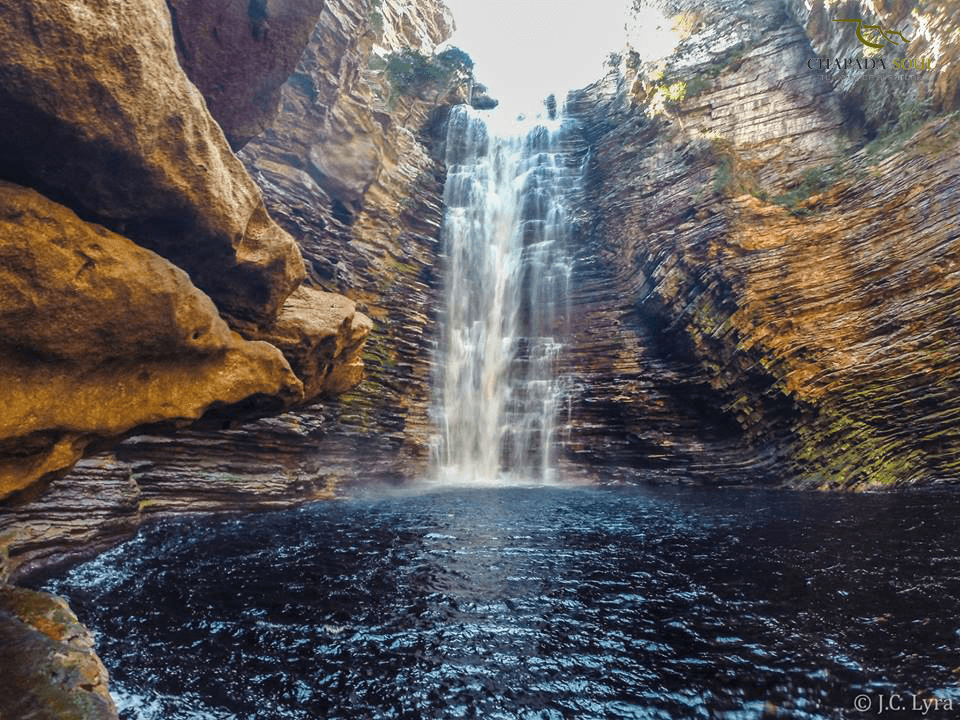
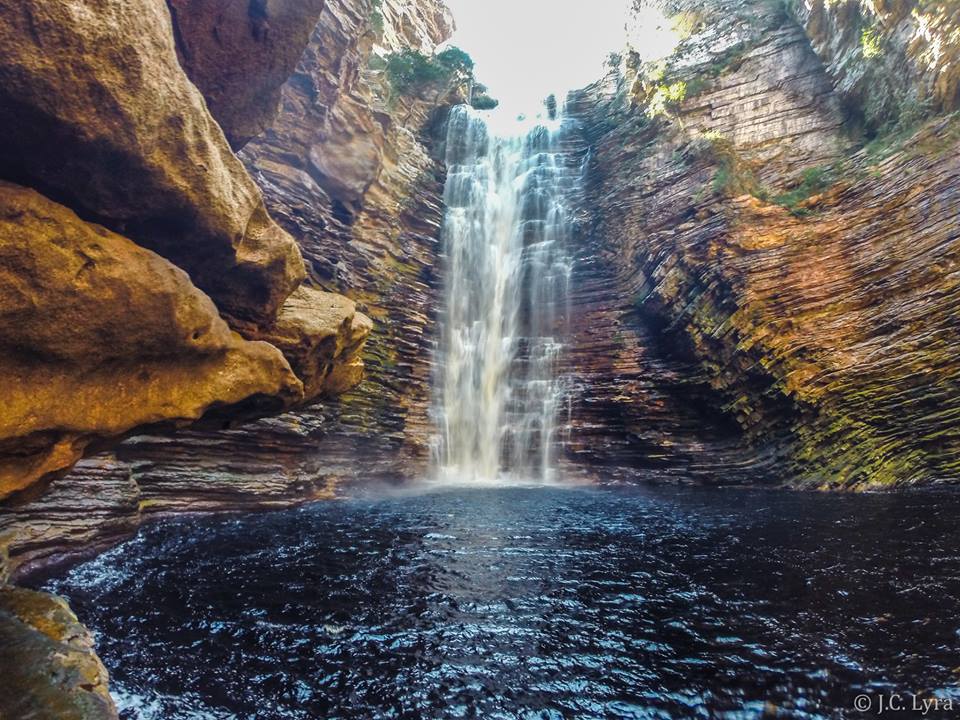
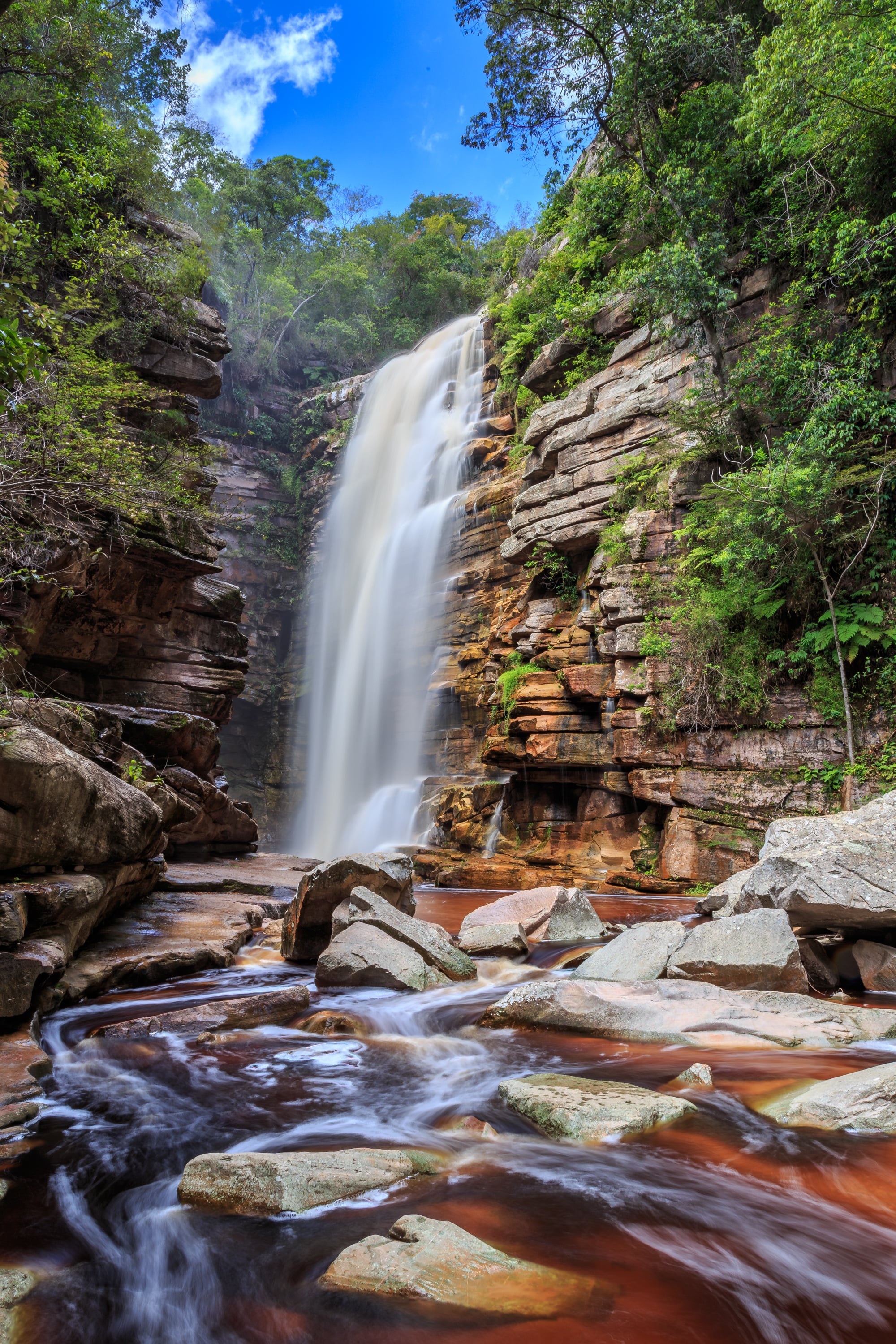
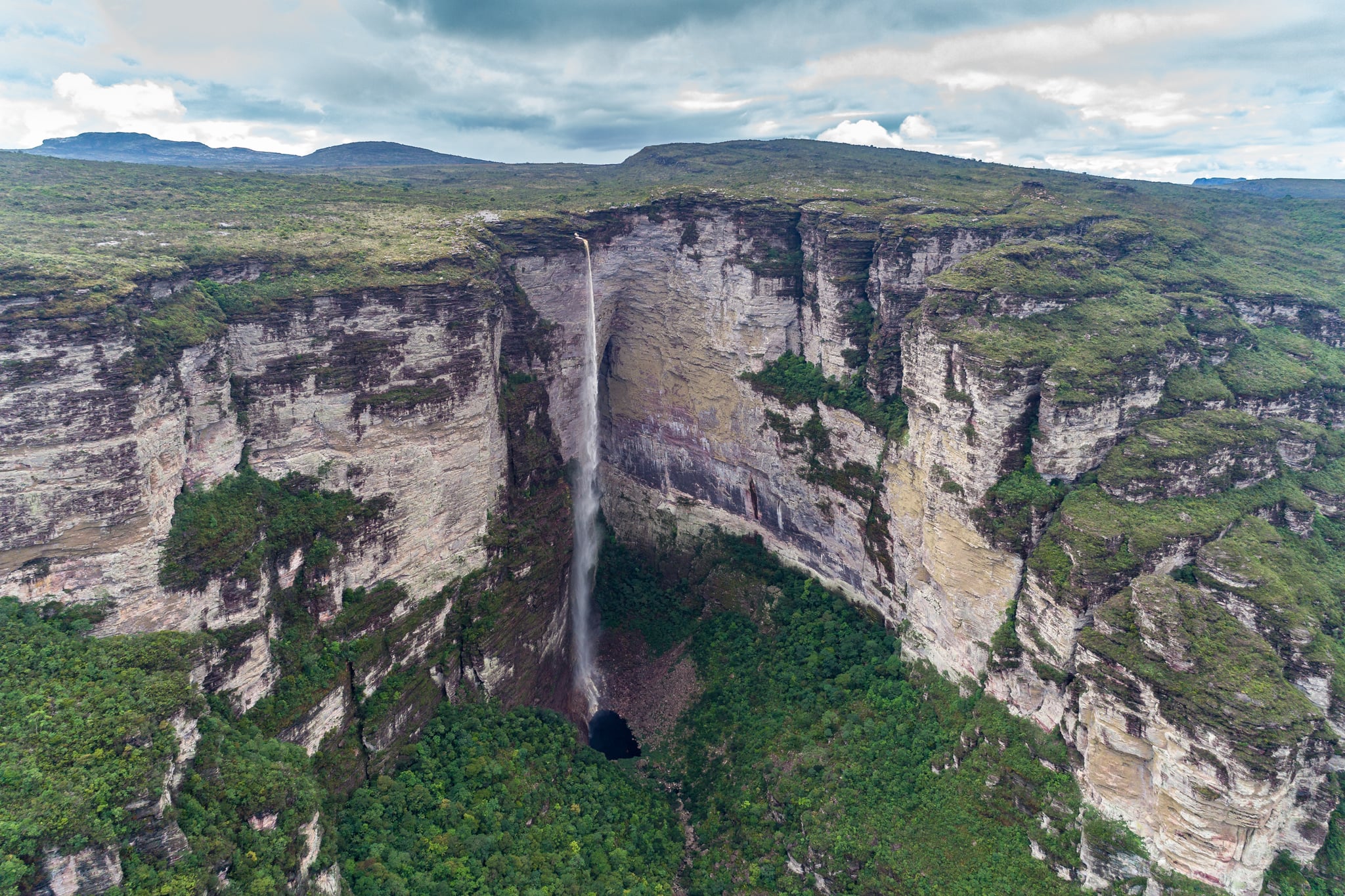
- Fuller waterfalls: falls such as Mosquito, Buracão and Fumaça carry much more water.
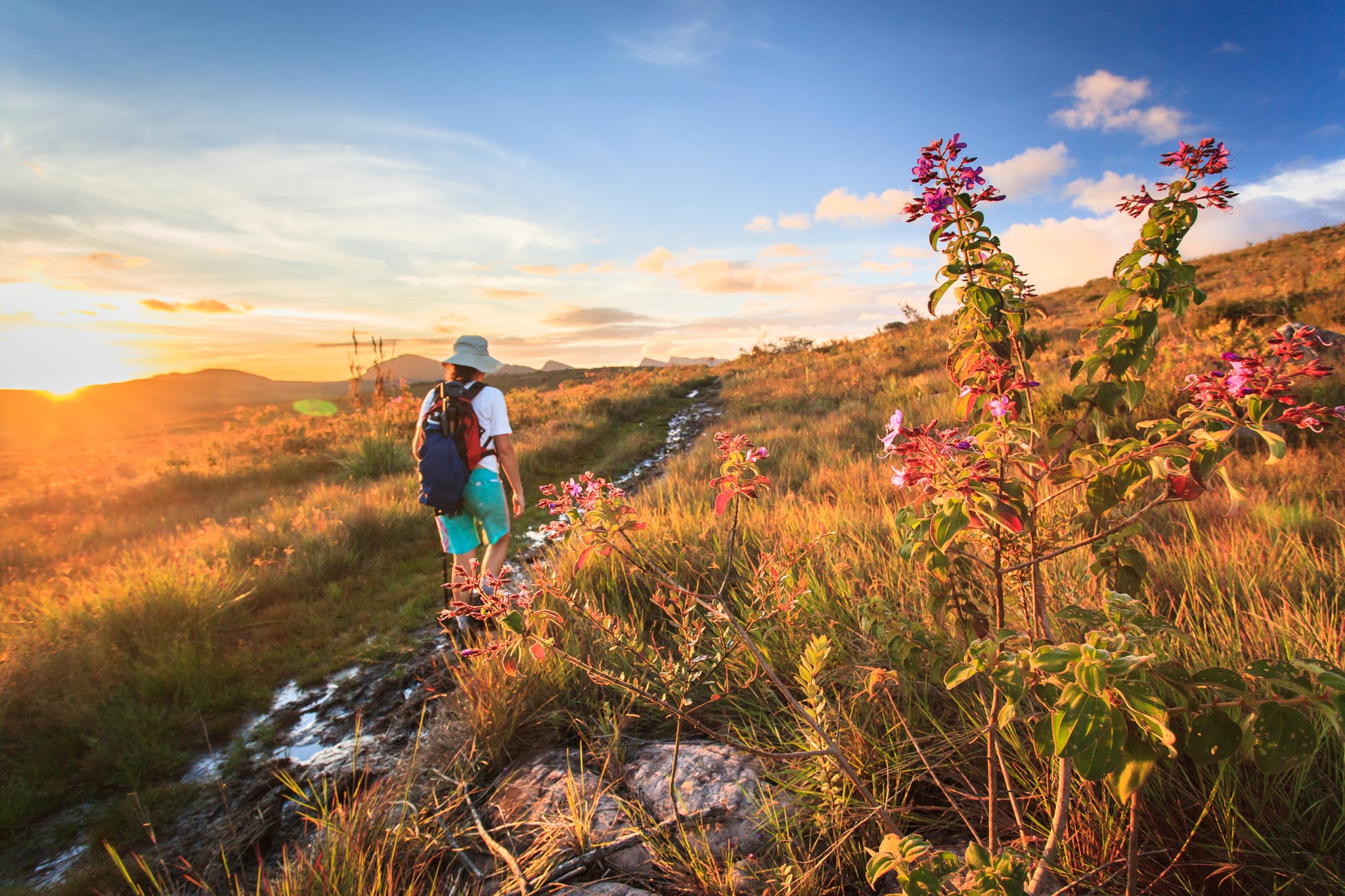
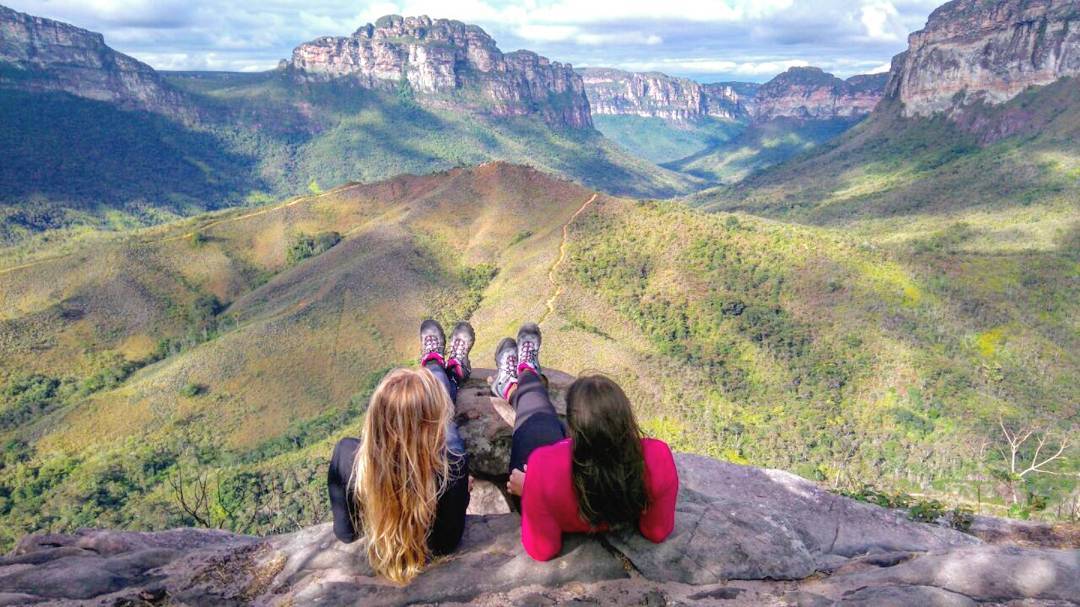
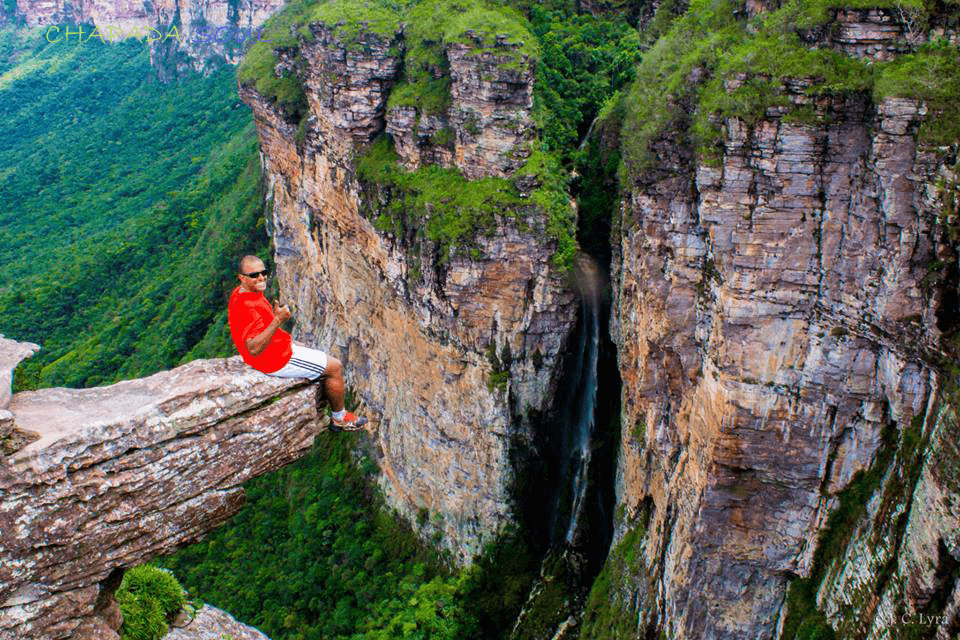
- Green landscapes: ranges, grasslands and forests regain color after the dry months.
- Lively rivers: pools and rapids are renewed, and Marimbus fills up.
Safety precautions in the rainy season
The main risk in rivers and canyons is a flash flood (known locally as cabeça d’água): a rapid rise in river level caused by heavy rain upstream, sometimes kilometers away from where you are. That is why deciding to enter a pool or follow a riverbed never depends only on the sky above you.
- Always follow your guide’s instructions on swimming, river crossings and canyon areas.
- A change in water color, stronger current or branches coming downstream are signs to get out of the water.
- Rocks get slippery in the rain; hiking shoes with good grip make a difference.
- Pack a light rain jacket and quick-dry clothing.
How tours are adapted to the weather
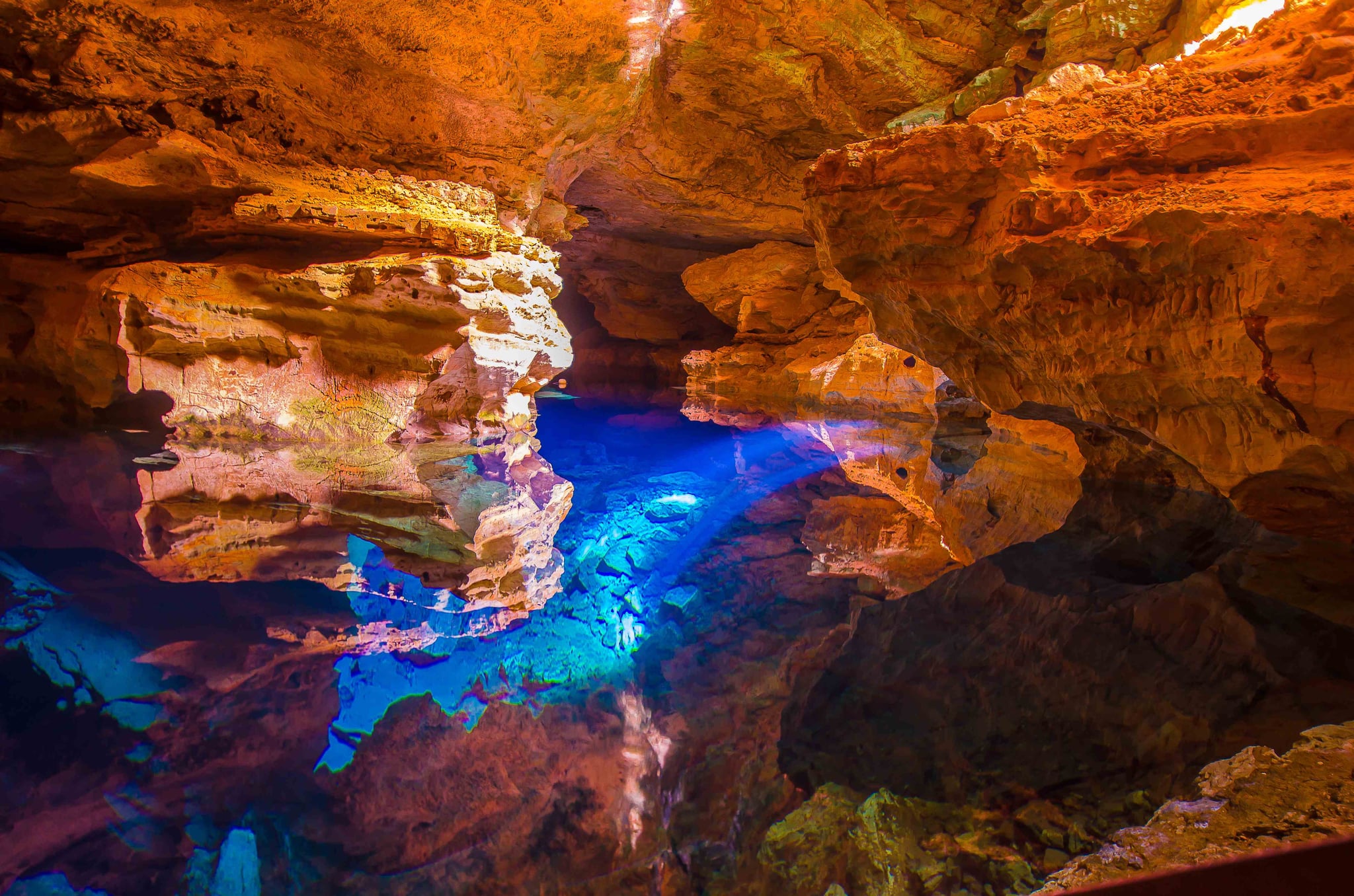
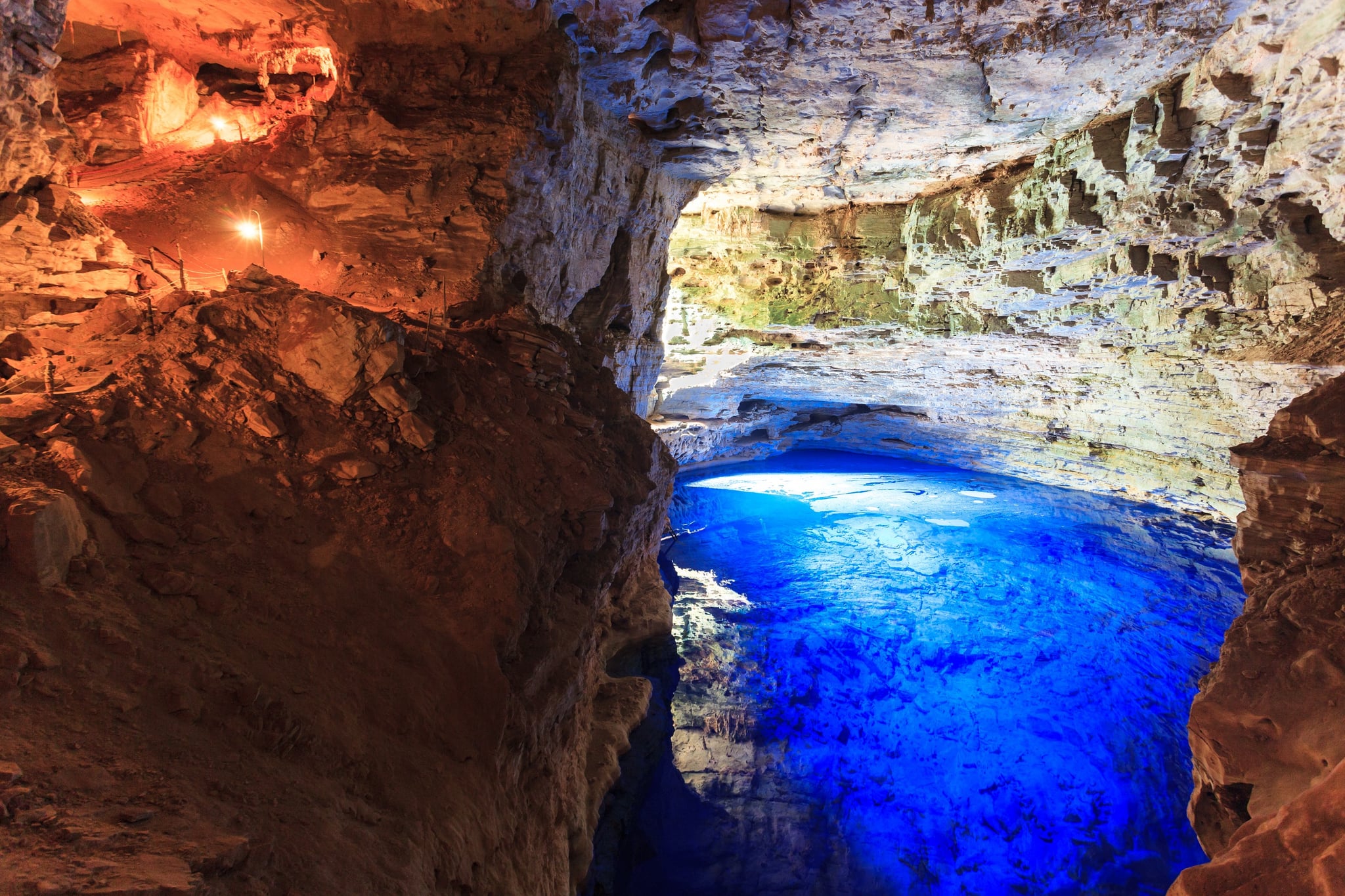
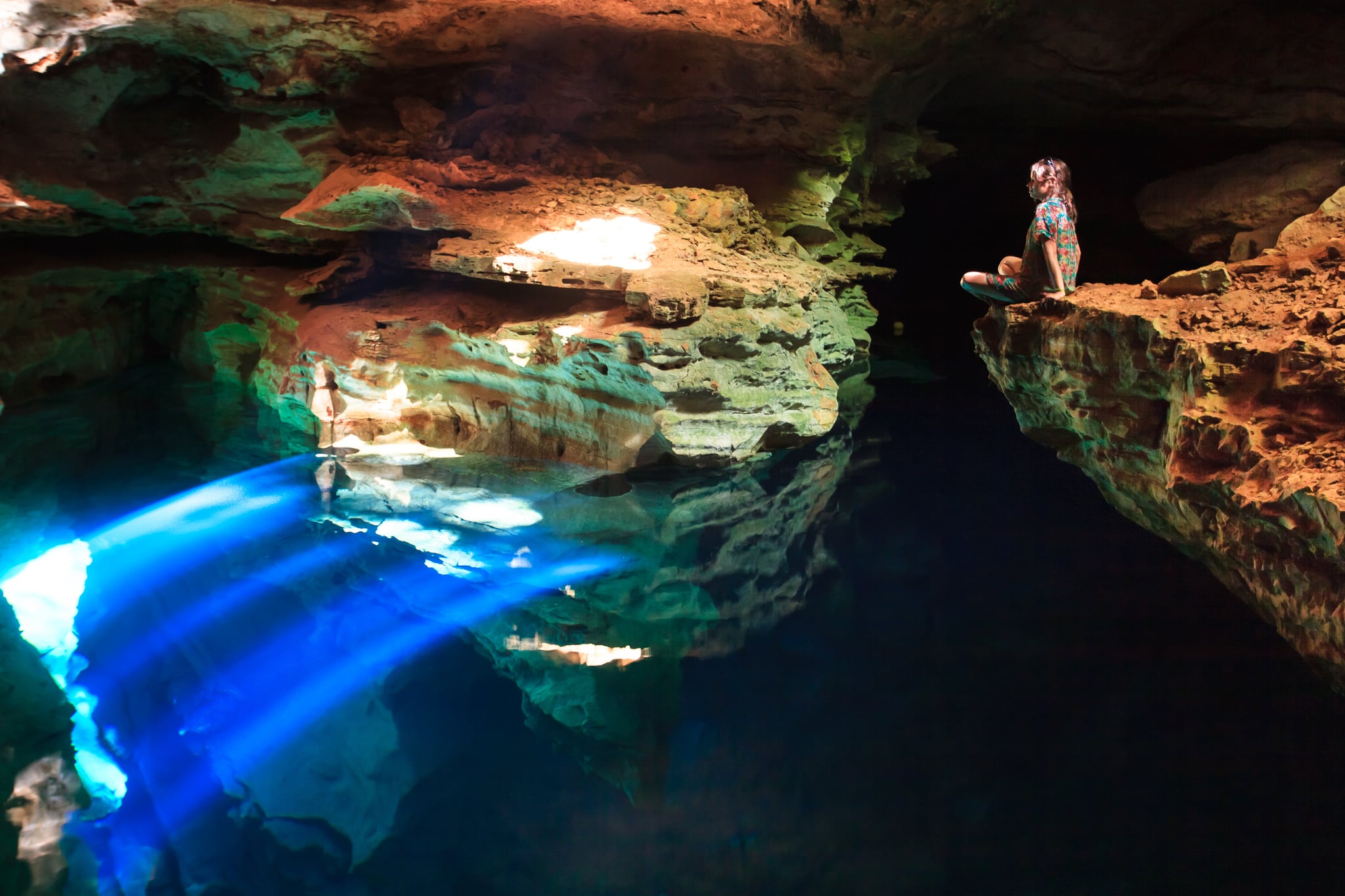
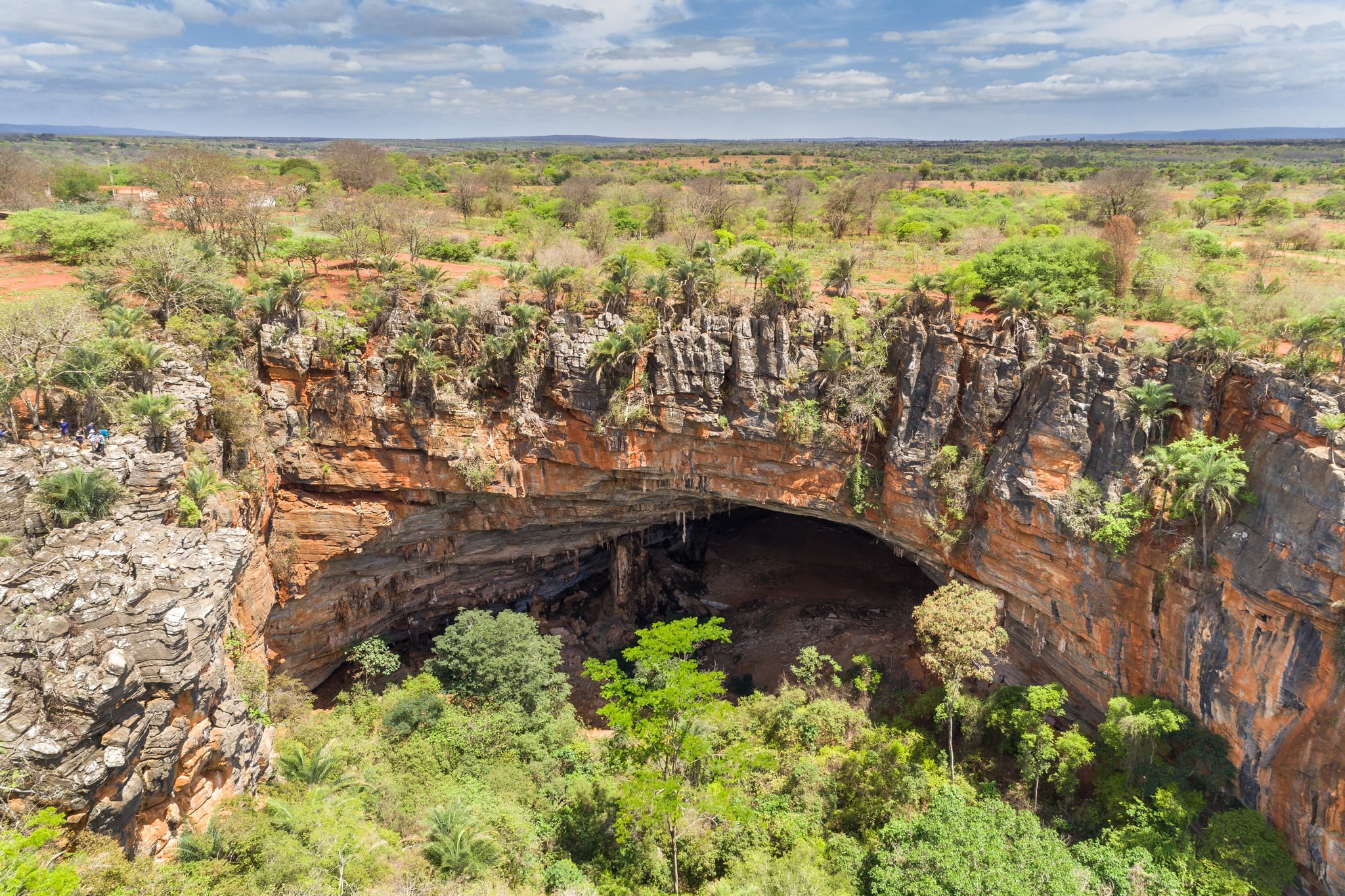
On our itineraries, the order of tours can be adjusted to logistics, weather and trail conditions. In practice, that means swapping a riverbed hike for a day of caves and pools when the forecast calls for caution, then returning to the trail when the weather clears. Sites such as the caves of Chapada Diamantina and Poço Azul and Poço Encantado are good alternatives.
On Vale do Pati treks, the route can also be adjusted to weather and terrain. That flexibility is part of the work of local guides, who know how each river behaves.
Is the rainy season worth it?
If you want to see the waterfalls at their peak and are fine with some flexibility, yes. If you have only a few days and one specific tour as an absolute priority, talk to our team first so we can build a plan with room for adjustments.
Frequently asked questions
Does it rain all day in Chapada Diamantina in summer?
Not always. Rain often comes in showers or in the late afternoon, with sunny spells in between, but it varies from year to year.
What is a cabeça d’água?
It is a rapid rise in a river’s level caused by heavy rain upstream. It is the main reason to follow your guide’s instructions in rivers and canyons.
Can tours be cancelled because of rain?
When conditions call for caution, the order of tours can be adjusted to prioritize safety, swapping the day for more sheltered sites.
Keep exploring
Planning · 2 min de leitura
Tour agency in Chapada Diamantina: meet Chapada Soul
Based in Lençóis, with local guides and Vale do Pati expertise: how Chapada Soul organizes your trip through Chapada Diamantina.
Read article
Planning · 2 min de leitura
Why book a tour agency in Chapada Diamantina
Long distances, dirt roads and trails that require a guide: the advantages of exploring Chapada Diamantina with a local agency.
Read article
Planning · 2 min de leitura
Chapada Diamantina packages: how to choose the right one
Classic, South of the Park, Around the Park or Vale do Pati? A practical guide to choosing the right package for your trip.
Read article